The Gilded Spectrum: How Diamond Jewelry Design Challenges Are Illuminating the Future of Wearable Art

In the ever-evolving world of jewelry design, few competitions capture the imagination and push the boundaries of creativity quite like diamond jewelry design challenges. These events are not merely contests; they are crucibles where innovation, craftsmanship, and storytelling converge to redefine what it means to create wearable art. As diamonds continue to symbolize timeless elegance, these challenges are proving that their brilliance extends far beyond their physical sparkle—into the realms of sustainability, technology, and emotional resonance.
The Evolution of Diamond Jewelry Design
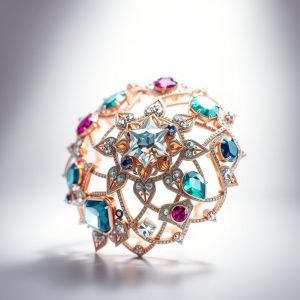
Diamonds have long been revered as the ultimate symbol of luxury, but their role in modern jewelry design is undergoing a profound transformation. Today’s designers are no longer content with traditional settings and predictable cuts. Instead, they are exploring unconventional forms, ethical sourcing, and even lab-grown alternatives to craft pieces that resonate with contemporary values. Competitions like the Diamond Jewelry Design Challenge are at the forefront of this shift, encouraging participants to experiment with bold geometries, mixed materials, and narrative-driven designs that challenge conventional aesthetics.
One of the most striking trends in recent years is the fusion of diamonds with unexpected elements—think recycled metals, reclaimed wood, or even biodegradable resins. These combinations not only elevate the visual appeal of the pieces but also reflect a growing commitment to sustainability. Designers are increasingly aware that luxury must align with responsibility, and diamond jewelry challenges are providing the platform to showcase these values.
The Role of Technology in Shaping Modern Diamond Jewelry
Technology has become an indispensable ally in the world of diamond jewelry design. From 3D printing to AI-driven customization, designers are leveraging cutting-edge tools to bring their visions to life with unprecedented precision. Competitions often incorporate these technological advancements as part of their judging criteria, rewarding those who seamlessly blend tradition with innovation. For instance, some challenges now include categories for digital design, where participants submit virtual renderings of their concepts before bringing them to life in physical form.
Moreover, advancements in diamond synthesis have opened new avenues for creativity. Lab-grown diamonds, which are chemically identical to mined diamonds but far more sustainable, are gaining traction in design competitions. These stones allow designers to experiment without the ethical and environmental concerns associated with traditional mining. The result? Pieces that are not only breathtaking but also kinder to the planet.
Storytelling Through Sparkle
Beyond aesthetics and craftsmanship, today’s diamond jewelry challenges emphasize the power of storytelling. Judges are increasingly drawn to pieces that convey a narrative—whether it’s a tribute to cultural heritage, a commentary on social issues, or a personal journey of the designer. This shift reflects a broader movement in the industry, where jewelry is no longer seen as mere adornment but as a medium for expression and connection.
For example, a recent winner of a Global Jewelry Competition designed a necklace inspired by the concept of resilience, using diamonds to represent strength and fragility in equal measure. The piece resonated deeply with the judges, not just for its technical brilliance but for the emotion it evoked. Such stories are becoming a hallmark of modern diamond jewelry design, proving that the most memorable pieces are those that speak to the heart as much as they dazzle the eye.
The Impact of Competitions on Emerging Talent
For emerging designers, diamond jewelry challenges are more than just an opportunity to showcase their skills—they are a gateway to recognition, mentorship, and industry connections. Many competitions offer winners the chance to collaborate with established brands, exhibit their work at prestigious events, or even secure funding for future projects. This support is invaluable in an industry where breaking through can be notoriously difficult.
Take the case of a young designer who participated in an Emerging Jewelry Designer Contest. Her avant-garde approach to diamond settings caught the attention of a renowned luxury brand, leading to a collaboration that catapulted her career. Stories like these underscore the transformative power of competitions, which not only celebrate talent but also nurture it.
Sustainability as a Driving Force
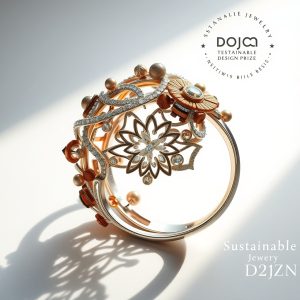
No discussion of modern diamond jewelry design would be complete without addressing sustainability. Competitions are increasingly prioritizing eco-conscious practices, from ethical sourcing to zero-waste production techniques. The Sustainable Jewelry Design Prize, for instance, has introduced categories specifically for designs that minimize environmental impact, encouraging participants to think critically about their creative process.
Designers are responding with ingenious solutions, such as using recycled gold for settings or incorporating repurposed diamonds into their pieces. These efforts are not just about ticking boxes; they reflect a genuine shift in the industry’s values. As consumers become more discerning, the demand for sustainable luxury is growing, and competitions are playing a pivotal role in driving this change.
As diamond jewelry design challenges continue to evolve, they are redefining the very essence of luxury. No longer confined to tradition, today’s designers are embracing innovation, storytelling, and sustainability to create pieces that are as meaningful as they are beautiful. These competitions are not just celebrating the brilliance of diamonds—they are illuminating a path toward a future where artistry and ethics shine equally bright. The sparkle of a diamond may be eternal, but the stories they tell and the values they represent are what will truly stand the test of time.