The Silent Revolution: How Jewelry Design Competitions Are Redefining Cultural Narratives Through Adornment
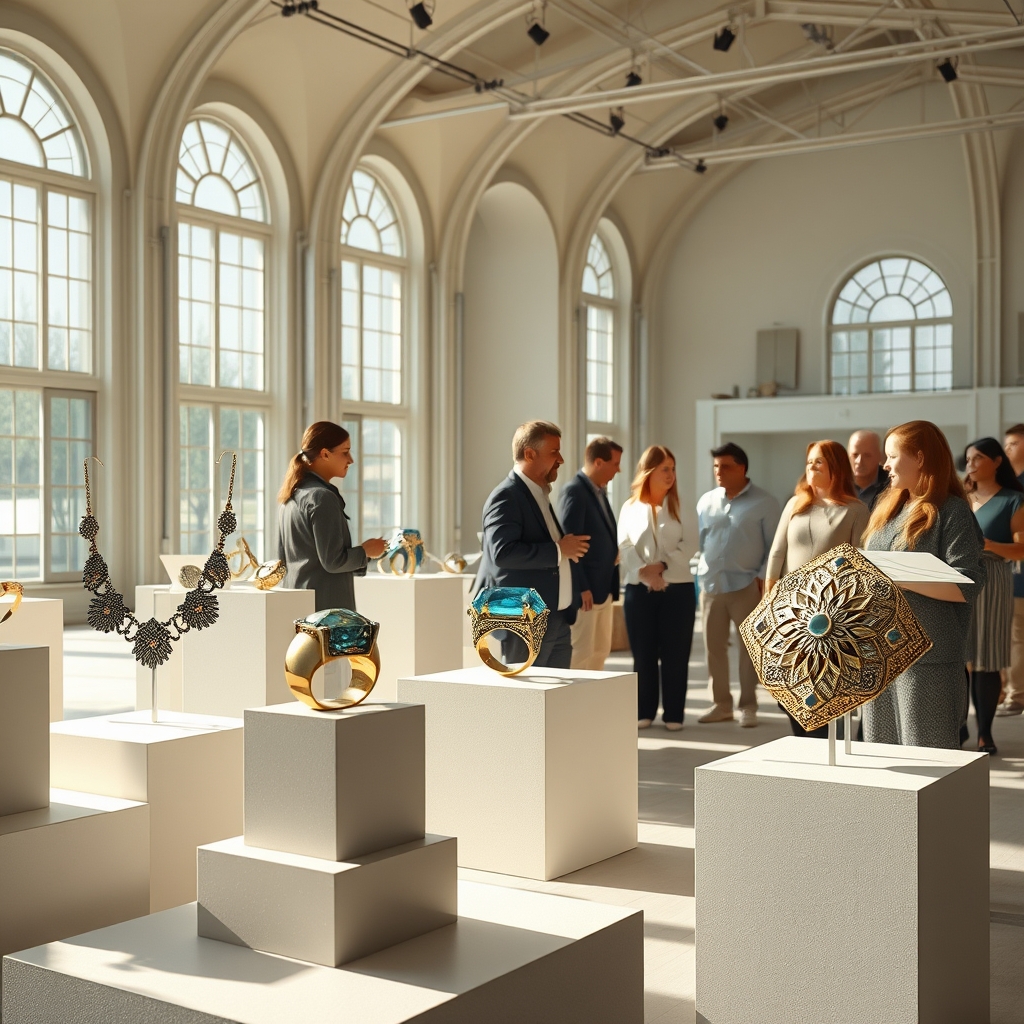
In the quiet corners of ateliers and the bustling floors of international exhibitions, a revolution is unfolding—one that is as much about storytelling as it is about sparkle. Jewelry design competitions, long celebrated for their role in showcasing technical mastery and aesthetic innovation, are increasingly becoming platforms for cultural dialogue. These contests are not merely about who can craft the most dazzling piece or who can push the boundaries of traditional goldsmithing. Instead, they are evolving into spaces where designers weave narratives of identity, heritage, and social change into every gemstone, metal, and motif.
The Power of Narrative in Modern Jewelry
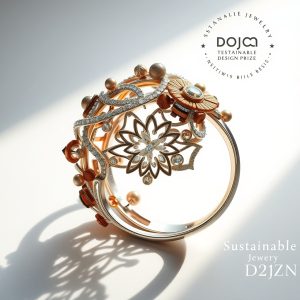
The shift toward narrative-driven design is perhaps most evident in competitions like the Avant Garde Jewelry Award and the Concept Jewelry Competition. These platforms encourage designers to move beyond the superficial allure of luxury and delve into the deeper meanings behind adornment. A necklace is no longer just a necklace; it becomes a manifesto, a protest, or a love letter to a forgotten tradition. For instance, a recent winner of the Sustainable Jewelry Design Prize crafted a collection using reclaimed ocean plastic, each piece telling the story of marine conservation through its texture and form. The judges were not just evaluating craftsmanship—they were engaging with a narrative that challenged the very definition of luxury.
This emphasis on storytelling is not accidental. As the world grapples with questions of sustainability, cultural appropriation, and the commodification of heritage, jewelry designers are stepping up as cultural custodians. Competitions like the Legacy Jewelry Design Award explicitly seek out pieces that honor ancestral techniques while reimagining them for contemporary audiences. One standout entry from last year’s Global Jewelry Competition featured a series of rings inspired by indigenous weaving patterns, each piece meticulously handcrafted to preserve the integrity of the original art form while making it wearable for modern life. The result was a collection that felt both timeless and urgently relevant.
Breaking Barriers: Who Gets to Define Beauty?
Jewelry design competitions are also playing a pivotal role in democratizing beauty. Historically, the industry has been dominated by a narrow set of standards—often dictated by Western ideals of elegance and opulence. However, contests like the Emerging Jewelry Designer Contest and the Student Jewelry Design Contest are actively seeking out voices from underrepresented communities, giving them a platform to redefine what beauty can look like. This inclusivity is not just about representation; it’s about challenging the status quo and expanding the boundaries of what is considered “high jewelry.”
Take, for example, the Diamond Jewelry Design Challenge, which in recent years has seen a surge in entries that incorporate unconventional materials and techniques. Designers from regions as diverse as West Africa, Southeast Asia, and the Indigenous communities of the Americas are bringing their unique perspectives to the table, infusing their work with symbols, materials, and craftsmanship that reflect their cultural heritage. The impact of this shift is profound: it forces the industry to confront its own biases and opens up new possibilities for what jewelry can be. No longer is beauty confined to the flawless diamond or the perfectly symmetrical setting; it now encompasses the raw, the imperfect, and the deeply personal.
The Role of Sustainability in Shaping the Future
No discussion of modern jewelry design competitions would be complete without addressing the elephant in the room: sustainability. The industry has long been criticized for its environmental and ethical shortcomings, from the ecological devastation caused by mining to the exploitative labor practices that often accompany it. Competitions like the Upcycled Jewelry Challenge and the Sustainable Jewelry Design Prize are pushing designers to rethink their approach to materials and production. The results have been nothing short of transformative.
One of the most exciting developments in this space is the rise of circular design, where jewelry is created with its entire lifecycle in mind. Designers are experimenting with biodegradable materials, lab-grown gemstones, and modular designs that can be easily disassembled and repurposed. The Innovations in Jewelry Award has become a hotbed for such experimentation, with winners showcasing everything from jewelry made from recycled electronic waste to pieces that double as wearable planters, allowing the wearer to grow small succulents or herbs. These designs are not just sustainable—they are a radical reimagining of what jewelry can do and be.
From Competition to Collaboration: The Ripple Effect
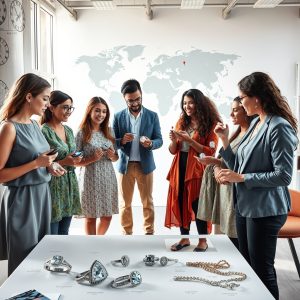
The influence of jewelry design competitions extends far beyond the winners’ podium. Many of these contests now include mentorship programs, workshops, and networking opportunities that connect emerging designers with industry veterans. The Bespoke Jewelry Design Prize, for example, pairs finalists with master goldsmiths for a year-long apprenticeship, ensuring that the next generation of designers has the skills and knowledge to carry the craft forward. Similarly, the Creative Metal Artist Award includes a residency program that allows designers to collaborate with artisans from other disciplines, such as glassblowing or ceramics, fostering a cross-pollination of ideas that enriches the entire field.
This collaborative spirit is also evident in the way competitions are structured. Many now include public voting components or community engagement initiatives, inviting audiences to participate in the judging process. The Contemporary Jewelry Exhibition in Paris, for instance, allows visitors to vote for their favorite pieces, giving them a stake in the outcome. This not only democratizes the process but also helps to build a more engaged and informed audience for jewelry as an art form.
As the lines between art, fashion, and activism continue to blur, jewelry design competitions are emerging as a powerful force for change. They are not just showcases for beauty—they are incubators for ideas, platforms for dialogue, and catalysts for transformation. The designers who participate in these contests are not just crafting objects; they are shaping the cultural narratives that will define the future of adornment. And in doing so, they are reminding us that jewelry has always been more than just decoration. It is a language, a story, and a reflection of who we are—and who we aspire to be.