The Gilded Lens: How Jewelry Design Competitions Are Framing the Future of Artistic and Environmental Narratives
In the ever-evolving world of jewelry design, competitions have emerged as powerful catalysts, not just for recognizing talent but for shaping the very narratives that define contemporary adornment. These platforms do more than celebrate craftsmanship—they challenge designers to push boundaries, rethink materials, and reimagine the role of jewelry in society. From the glimmer of a diamond to the raw elegance of upcycled metals, these contests are where innovation meets intention, and where the future of jewelry is being meticulously crafted.
The Alchemy of Competition: Where Ideas Take Shape
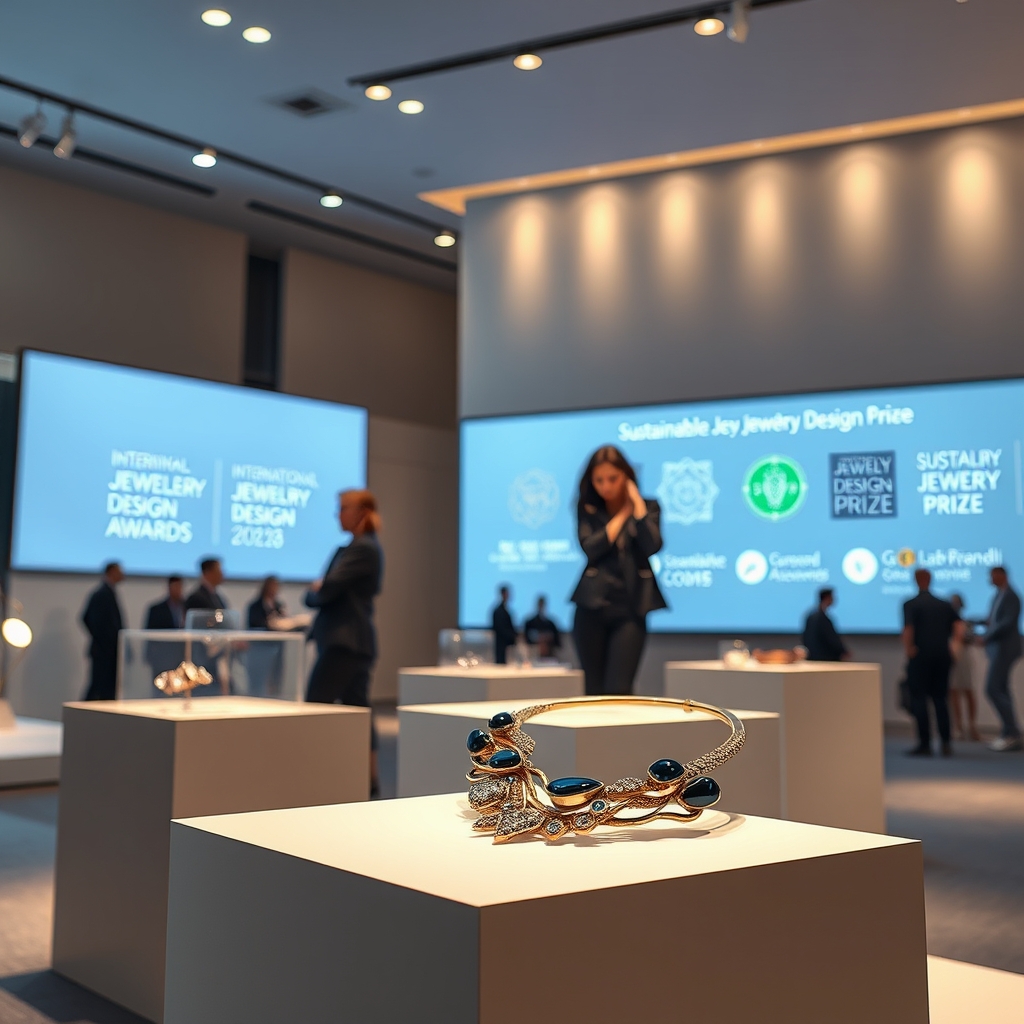
Jewelry design competitions are more than just contests; they are incubators of creativity. Events like the International Jewelry Design Awards and the Global Jewelry Competition serve as melting pots where emerging and established designers converge to showcase their visions. These platforms provide a rare opportunity for artisans to experiment with unconventional materials, techniques, and concepts that might otherwise remain unexplored in commercial settings. The pressure of competition, far from stifling creativity, often acts as a crucible that refines ideas into groundbreaking designs.
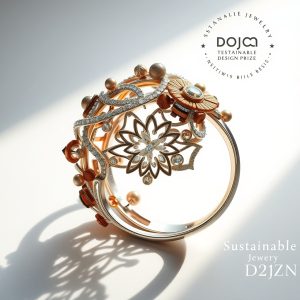
For instance, the Sustainable Jewelry Design Prize has become a beacon for eco-conscious designers, encouraging the use of recycled metals, ethically sourced gemstones, and innovative upcycling methods. Such competitions not only highlight the beauty of sustainable practices but also demonstrate that luxury and responsibility are not mutually exclusive. They challenge the industry to move beyond traditional aesthetics and embrace a future where every piece tells a story of environmental stewardship.
The Rise of the Avant-Garde: Redefining Wearable Art
The Avant-Garde Jewelry Award and similar contests are redefining what it means to wear art. No longer confined to the realm of traditional adornment, contemporary jewelry is increasingly seen as a medium for self-expression, cultural commentary, and even social activism. Designers are leveraging competitions to explore themes like identity, memory, and sustainability, transforming jewelry into a canvas for deeper narratives.
Take, for example, the Concept Jewelry Competition, where designers are encouraged to create pieces that challenge perceptions of form and function. Winners of such contests often blur the lines between jewelry and sculpture, creating wearable art that sparks conversation and invites contemplation. These competitions are not just about aesthetics; they are about provoking thought, evoking emotion, and pushing the boundaries of what jewelry can represent.
The Legacy of Craftsmanship: Honoring Tradition While Embracing Innovation
While innovation is a driving force in modern jewelry design, competitions like the Goldsmith Craftsmanship Competition and the Fine Jewelry Design Trophy ensure that traditional techniques are not lost in the pursuit of the new. These events celebrate the mastery of age-old skills, from intricate metalwork to gemstone carving, while also encouraging designers to infuse these techniques with contemporary relevance.
The Legacy Jewelry Design Award, for instance, honors designers who bridge the gap between heritage and modernity. By recognizing those who preserve the artistry of the past while embracing the possibilities of the future, these competitions ensure that the rich history of jewelry-making continues to inspire new generations of artisans. They remind us that true innovation is not about discarding the old but about reimagining it in ways that resonate with today’s world.
The Power of Platforms: Launching Careers and Shaping Industries
For emerging designers, winning or even participating in a prestigious jewelry competition can be a career-defining moment. Events like the Emerging Jewelry Designer Contest and the Student Jewelry Design Contest provide a global stage where new talent can gain visibility, connect with industry leaders, and secure opportunities that might otherwise take years to achieve. These competitions act as springboards, propelling designers from obscurity to recognition and, in some cases, commercial success.
Moreover, competitions like the Luxury Jewelry Design Selection and the Diamond Jewelry Design Challenge influence broader industry trends. Judges and attendees—often industry veterans, collectors, and influencers—bring the winning designs to the forefront of the market, shaping consumer preferences and setting new standards for excellence. In this way, jewelry competitions are not just about individual achievement; they are about shaping the future of the industry as a whole.
The Ethical Imperative: Sustainability as a Non-Negotiable Standard
One of the most significant shifts in modern jewelry design is the growing emphasis on sustainability. Competitions like the Upcycled Jewelry Challenge and the Innovations in Jewelry Award are leading the charge, rewarding designers who prioritize ethical sourcing, waste reduction, and environmental responsibility. These contests are helping to redefine luxury, proving that the most exquisite pieces are those that honor both the planet and the people who craft them.
Designers are increasingly turning to alternative materials, such as lab-grown diamonds, recycled gold, and even biodegradable elements, to create pieces that are as kind to the earth as they are beautiful. Competitions that highlight these efforts are not just celebrating innovation; they are sending a clear message to the industry: sustainability is no longer optional—it is essential.
As jewelry design competitions continue to evolve, they are doing more than just showcasing talent—they are shaping the values, aesthetics, and ethics of an entire industry. They are where the future of jewelry is being forged, one innovative design at a time. Whether through the lens of sustainability, craftsmanship, or avant-garde expression, these competitions are proving that jewelry is not just an accessory but a powerful form of art that reflects the world we live in—and the one we aspire to create.