The Gilded Crucible of Tomorrow: How Concept Jewelry Competitions Are Architecting the Future of Wearable Narratives
In the ever-evolving world of jewelry design, a quiet revolution is taking place—one that transcends the boundaries of tradition and redefines the very essence of adornment. At the heart of this transformation are concept jewelry competitions, platforms that do more than celebrate craftsmanship; they challenge designers to think beyond the bench, to weave stories, emotions, and ideas into every piece they create. These competitions are not merely contests; they are incubators of innovation, where the future of wearable art is being shaped by those bold enough to reimagine what jewelry can be.
The Power of Concept: Beyond Aesthetics
Concept jewelry is not about creating pieces that are merely beautiful. It is about crafting objects that resonate on a deeper level, that provoke thought, evoke emotion, or challenge perceptions. Competitions like the Avant-Garde Jewelry Award and the Concept Jewelry Competition are leading the charge, pushing designers to explore themes such as identity, sustainability, technology, and even social justice. These events demand more than technical skill; they require a narrative, a purpose, a reason for being that extends far beyond the materials used.
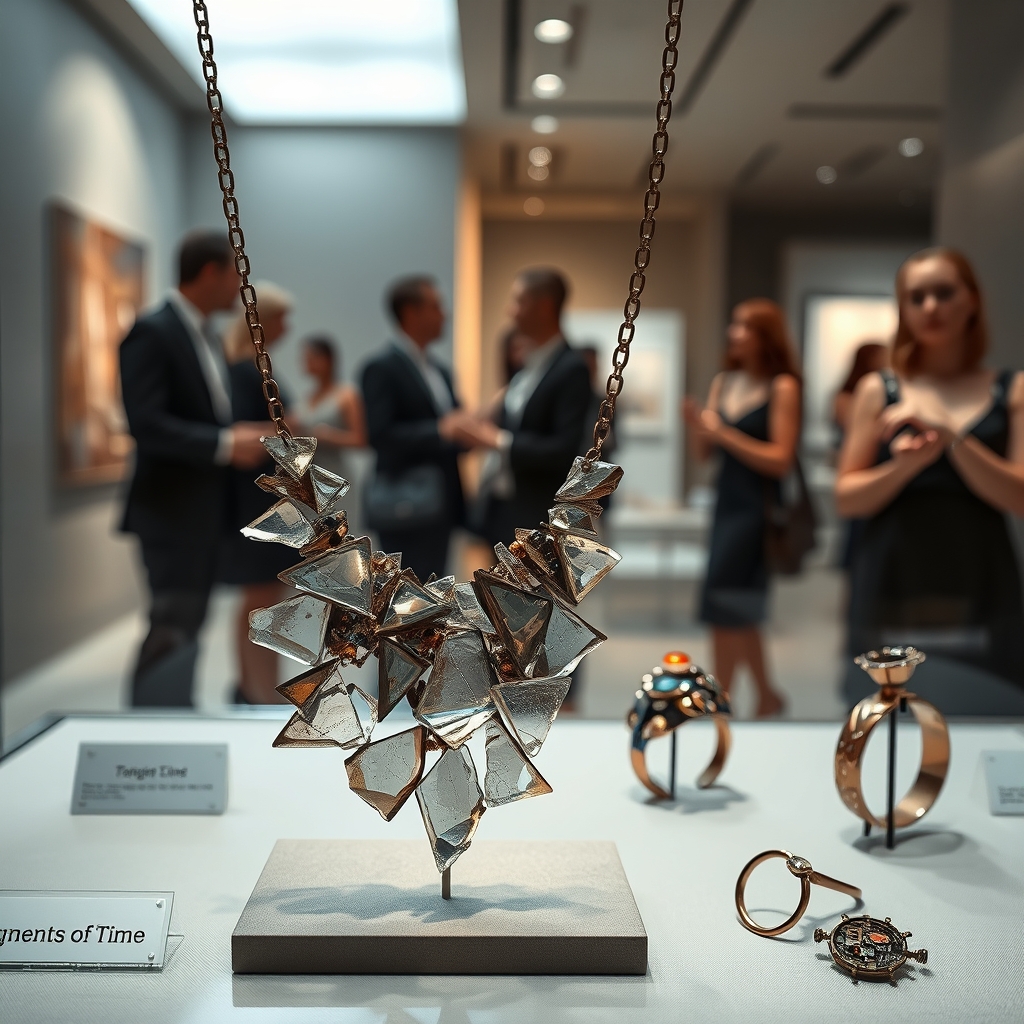
Take, for example, the winning entry from last year’s Innovations in Jewelry Award, a piece titled “Fragments of Time.” The designer, a young artist from Berlin, crafted a necklace using recycled glass and reclaimed metal, each shard representing a moment in history—personal, cultural, and environmental. The piece was not just a statement of sustainability; it was a meditation on memory, loss, and the passage of time. This is the power of concept jewelry: it transforms the wearer into a storyteller, a keeper of narratives that might otherwise go untold.
Sustainability as a Creative Catalyst
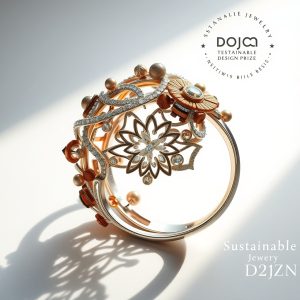
One of the most compelling trends in concept jewelry competitions is the integration of sustainability into the creative process. The Sustainable Jewelry Design Prize and the Upcycled Jewelry Challenge are prime examples of how these platforms are redefining luxury. No longer is sustainability seen as a limitation; instead, it has become a wellspring of inspiration, a catalyst for creativity that forces designers to rethink materials, processes, and even the lifecycle of their pieces.
Consider the work of a recent finalist in the Global Jewelry Competition, who created a collection entirely from discarded electronic components. The designer transformed circuit boards, wires, and microchips into intricate brooches and earrings, each piece a commentary on our digital age and the waste it generates. This kind of innovation is not just about reducing environmental impact; it is about elevating sustainability to an art form, where every material tells a story and every piece challenges the status quo.
The Role of Technology in Conceptual Design
Technology is another frontier being explored in concept jewelry competitions. From 3D printing to augmented reality, designers are leveraging cutting-edge tools to push the boundaries of what is possible. The Creative Metal Artist Award has seen entries that incorporate everything from kinetic elements to interactive components, blurring the line between jewelry and wearable technology.
One standout example is a bracelet that changes color in response to the wearer’s emotions, using biosensors and thermochromic materials. The piece, submitted to the Diamond Jewelry Design Challenge, was not just a technical marvel; it was a deeply personal exploration of human connection and emotional expression. By integrating technology into their designs, these artists are not only expanding the definition of jewelry but also reimagining its role in our lives.
Fostering the Next Generation of Visionaries
Concept jewelry competitions are also playing a crucial role in nurturing emerging talent. Events like the Student Jewelry Design Contest and the Emerging Jewelry Designer Contest provide a platform for young artists to experiment, take risks, and refine their voices. These competitions offer more than just prizes; they offer mentorship, exposure, and the opportunity to connect with industry leaders who can help shape their careers.
For many young designers, these contests are a proving ground, a place to test their ideas and see how they resonate with a broader audience. The feedback they receive—whether from judges, peers, or the public—can be invaluable, helping them to refine their craft and develop a unique perspective. In this way, concept jewelry competitions are not just shaping the future of wearable art; they are shaping the future of the industry itself.
The Intersection of Tradition and Innovation
While concept jewelry is often associated with modernity and avant-garde thinking, it is also deeply rooted in tradition. Many designers draw inspiration from historical techniques, cultural motifs, and age-old craftsmanship, reinterpreting them through a contemporary lens. The Legacy Jewelry Design Award and the Goldsmith Craftsmanship Competition celebrate this fusion of old and new, honoring those who preserve heritage while pushing the boundaries of innovation.
One such designer, a goldsmith from Kyoto, created a collection that paid homage to traditional Japanese metalworking techniques while incorporating modern, minimalist aesthetics. The result was a series of pieces that felt both timeless and utterly contemporary, a testament to the enduring power of craftsmanship and the endless possibilities of reinvention. In this way, concept jewelry competitions serve as a bridge between the past and the future, ensuring that the art of jewelry design continues to evolve without losing sight of its roots.
As the world of jewelry design continues to evolve, concept competitions stand at the forefront of this transformation. They are more than just contests; they are a movement, a call to action for designers to think bigger, to create with purpose, and to redefine what it means to adorn the human form. Whether through sustainability, technology, or storytelling, these competitions are shaping a future where jewelry is not just an accessory but a powerful medium of expression. And in doing so, they are ensuring that the art of adornment remains as dynamic and meaningful as the stories it seeks to tell.