The Future in Focus: How Jewelry Design Competitions Are Pioneering the Next Wave of Artistic and Ethical Innovation
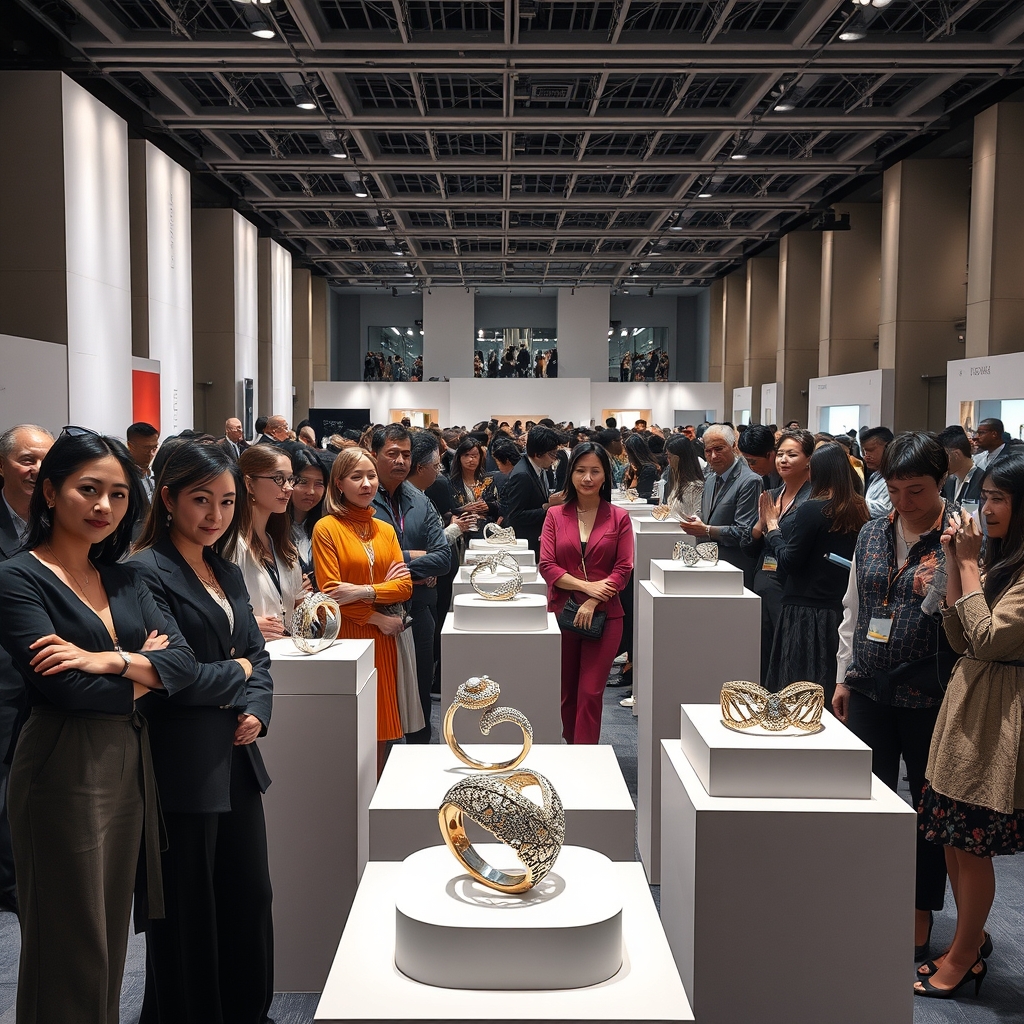
The world of jewelry design is no longer confined to the quiet hum of ateliers or the hushed corridors of luxury boutiques. Today, it thrives in the dynamic, high-stakes arena of global competitions, where creativity, craftsmanship, and conscience collide to redefine what it means to adorn the human form. These contests—ranging from the International Jewelry Design Awards to the Sustainable Jewelry Design Prize—are not merely showcases of technical skill or aesthetic brilliance. They are incubators of change, platforms where the next generation of designers is challenging conventions, pushing boundaries, and sculpting a future where beauty and responsibility coexist.
The Catalyst for Change
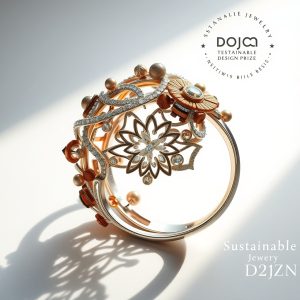
Jewelry design competitions have evolved far beyond their traditional role as talent scouts. They now serve as catalysts for innovation, particularly in areas like sustainability, ethical sourcing, and avant-garde techniques. The Emerging Jewelry Designer Contest, for instance, has become a launchpad for artists who are reimagining waste as wonder. Designers are transforming discarded metals, reclaimed gemstones, and even ocean plastics into pieces that tell stories of renewal and resilience. These competitions are not just celebrating creativity; they are demanding it in ways that align with the urgent needs of our planet.
Take the Upcycled Jewelry Challenge, a competition that has gained traction in recent years. It challenges participants to create stunning pieces from materials that would otherwise end up in landfills. The results are nothing short of revolutionary. Designers are crafting intricate necklaces from vintage watch parts, earrings from repurposed electronic components, and rings from melted-down silverware. These pieces do more than dazzle—they spark conversations about consumption, waste, and the potential for beauty in unexpected places.
Bridging Tradition and Innovation
While sustainability is a driving force, these competitions are also bridging the gap between tradition and innovation. The Goldsmith Craftsmanship Competition and the Gemstone Carving Contest celebrate the timeless skills of artisans while encouraging them to experiment with modern techniques. For example, 3D printing and laser cutting are now common tools in the jewelry designer’s arsenal, allowing for precision and complexity that were once unimaginable. Yet, these technologies are often paired with age-old methods like hand engraving or filigree, creating a harmonious blend of the old and the new.
The Avant Garde Jewelry Award takes this fusion a step further by rewarding designers who defy categorization. These artists are not just creating jewelry; they are crafting wearable art that challenges perceptions of form, function, and even identity. Pieces that incorporate unconventional materials like glass, resin, or even organic matter are becoming increasingly prevalent, pushing the boundaries of what jewelry can be. These competitions are not just about adornment; they are about expression, provocation, and the redefinition of beauty itself.
The Rise of the Ethical Luxury Movement
One of the most significant shifts in the jewelry industry is the growing demand for ethical luxury. Consumers are no longer satisfied with beauty alone; they want to know the story behind their jewelry—the origin of the materials, the conditions under which it was made, and its environmental impact. Competitions like the Luxury Jewelry Design Selection and the Fine Jewelry Design Trophy are responding to this demand by prioritizing transparency and sustainability in their judging criteria.
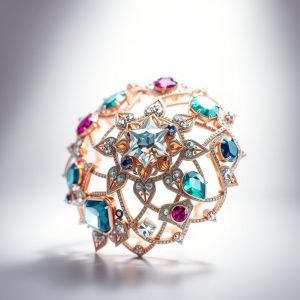
Designers are now sourcing conflict-free diamonds, Fairmined gold, and lab-grown gemstones to create pieces that are as ethically sound as they are stunning. The Diamond Jewelry Design Challenge, for example, has seen a surge in entries that feature lab-created diamonds, which offer the same brilliance as mined stones without the environmental and ethical concerns. These competitions are not just shaping trends; they are shaping values, proving that luxury and responsibility can go hand in hand.
Empowering the Next Generation
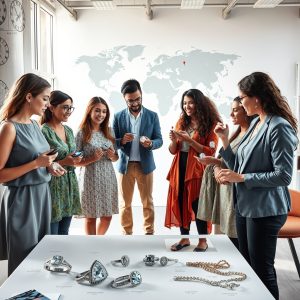
Perhaps the most exciting aspect of these competitions is their role in empowering emerging talent. The Student Jewelry Design Contest and the Bespoke Jewelry Design Prize provide young designers with a platform to showcase their work, gain recognition, and connect with industry leaders. For many, these competitions are a gateway to careers in jewelry design, offering mentorship, networking opportunities, and even financial support.
Consider the story of a recent winner of the Creative Metal Artist Award, who used the prize money to launch her own sustainable jewelry line. Her collection, which features pieces made from recycled metals and ethically sourced gemstones, has since been featured in major fashion publications and worn by celebrities. This is the power of these competitions—they don’t just reward talent; they amplify it, giving designers the resources and visibility they need to turn their visions into reality.
The Global Stage for Local Stories
Jewelry design competitions are also becoming a global stage for local stories. The Contemporary Jewelry Exhibition and the Artisan Jewelry Maker Contest highlight the rich cultural heritage of different regions, from the intricate beadwork of African artisans to the delicate enamel work of Japanese masters. These competitions celebrate diversity, ensuring that the future of jewelry design is as varied and vibrant as the world itself.
For instance, the Legacy Jewelry Design Award honors designers who draw inspiration from their cultural roots, creating pieces that are deeply personal and universally resonant. A recent winner from India crafted a collection inspired by the ancient art of Meenakari, a traditional enamel technique, but reimagined it with modern materials and motifs. The result was a collection that paid homage to the past while embracing the future, a testament to the power of cultural storytelling in design.
As these competitions continue to evolve, they are not just shaping the future of jewelry design—they are redefining what it means to create, to adorn, and to express. They are proving that jewelry is more than just an accessory; it is a medium for change, a canvas for innovation, and a bridge between the past and the future. The designers who step onto these stages are not just artists; they are visionaries, and their work is a glimpse into a world where beauty is not just seen but felt, not just worn but lived. In this ever-changing landscape, one thing is clear: the future of jewelry design is not just about sparkle—it’s about substance, and the competitions leading the way are ensuring that the two are inseparable.